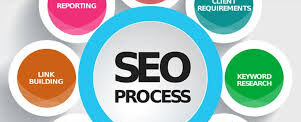

Affordable SEO Services for Small Businesses and Local Growth

Affordable SEO Services for Small Businesses and Local Growth

In today’s digital age, having a strong online presence is crucial for small businesses. However, many struggle with the high costs of SEO services. Affordable SEO services offer a solution, providing effective strategies without breaking the bank through affordable SEO packages and low cost SEO services tailored to your goals.

These services help businesses improve their search engine rankings and attract more customers. They focus on cost effective SEO services and affordable search engine optimization methods that deliver results.

Choosing the right SEO company is essential for success. Look for an affordable SEO company or local SEO agency with transparent pricing and proven results; compare top local SEO company contenders and speak with an affordable SEO consultant before you commit.

Affordable SEO services can level the playing field for small businesses. With affordable local SEO services and practical on-page work, they allow teams to compete with larger companies and expand their reach.

Investing in affordable SEO, including affordable monthly SEO plans, is a smart move for any business looking to grow online.

Key Takeaways

Affordable SEO empowers small businesses to boost visibility, rankings, and local reach by focusing on essentials like keyword research, on-page optimization, quality content, ethical link building, technical health, and transparent reporting. Choose experienced, transparent providers, ask about strategies, tools, and success metrics, and avoid red flags such as guarantees, vague methods, or black-hat tactics. Prioritize cost-effective, long-term approaches over ‘cheap’ shortcuts, and consider ongoing monthly plans or SEO packages for small business to sustain gains and maximize ROI with truly cost effective SEO services and local SEO services.

Summary

Affordable SEO helps small businesses boost visibility, rankings, and local engagement without overspending. This guide explains what to expect from low cost SEO packages and local SEO services for small business, how to choose transparent, reputable providers, and how to distinguish cost-effective strategies from risky ‘cheap’ SEO. It highlights essential services like keyword research, on-page optimization, content, link building, technical audits, and reporting, plus key questions to ask and red flags to avoid. Ongoing, affordable monthly plans and affordable small business SEO packages support continuous improvements and maximize long-term ROI. If you prefer UK terminology, many agencies also describe these as affordable search engine optimisation services.

Why Affordable SEO Services Matter for Small Businesses

For small businesses, budgets are often tight. Finding ways to maximize impact while minimizing costs is essential. Affordable SEO services provide a solution by offering high value at low prices. They help small businesses boost their visibility online, which can lead to increased sales and growth.

Local SEO is especially crucial for small businesses targeting nearby customers. It involves optimizing their presence to appear in local searches, attracting foot traffic. Affordable local SEO services and local SEO services for small business can make this possible without the exorbitant expenses typically associated with SEO.

These cost effective SEO services allow small businesses to compete with larger, more established companies. By implementing strategic SEO practices, they can enhance brand awareness and credibility.

Key benefits include:

  • Enhanced online visibility
  • Increased local customer engagement
  • Improved search engine rankings
  • Greater return on investment

Affordable SEO means small businesses don’t have to cut corners to succeed online. With the right approach, these services can provide the competitive edge needed to thrive in the digital marketplace. For many owners, this is truly affordable SEO for small business.

What to Expect from Low Cost SEO Packages

Low cost SEO packages are tailored to provide essential services at a reasonable price. They usually cover fundamental SEO strategies that can significantly impact your online presence. These packages ensure that your business does not miss out on critical online opportunities, despite budget constraints.

Typically, such packages offer a range of services. They focus on improving search engine rankings and driving traffic. Core components might include keyword research, which is vital for targeting the right audience. On-page optimization is another common feature, refining your website’s structure and content to better align with search engine algorithms.

You can often expect:

  • Keyword research and analysis
  • Basic on-page SEO
  • Creation of local business listings
  • Regular progress reports
  • Clear, tiered affordable SEO packages or SEO packages for small business

Investing in low cost packages allows businesses to strategically allocate resources. They balance both immediate goals and long-term growth. The affordable nature of these offerings ensures comprehensive services without excessive financial strain, especially when bundled as affordable small business SEO packages within low cost SEO services.

Key Features of Affordable Local SEO Services

Affordable local SEO services focus on enhancing a business’s visibility within specific regions. They are essential for businesses targeting local customers. This approach ensures your business ranks well in local search results, attracting potential clients nearby.

Whether you work with a local SEO consultant or a full-service local SEO agency, the aim is consistent: elevate local visibility and conversions. Many top local SEO company shortlists prioritize these features.

These services often include optimizing your Google My Business profile, essential for local search visibility. Building and managing local citations also play a vital role. These citations help establish your business’s credibility and prominence in local searches.

Key features typically include:

  • Optimization of Google My Business
  • Management of local citations
  • Local keyword targeting
  • Reviews and ratings management

These targeted efforts help small businesses effectively connect with the local community. Consequently, they increase foot traffic and drive local engagement.

How to Choose the Right Affordable SEO Company

Selecting the right SEO company can be daunting, yet it is crucial. A reliable choice ensures your investment yields significant returns. Focus on evaluating the company’s expertise and client feedback.

Start by reviewing their past projects. A successful track record with similar businesses indicates capability. Client testimonials offer insights into their reliability and effectiveness.

Shortlist an affordable SEO company or affordable SEO agency with experience in your niche; compare options across your region (for example, a provider like Barker Ridge Local Business SEO Service) and check whether they can act as a dedicated local SEO consultant. Look for signals you’d expect from the best local SEO company: case studies, local results, and clear communication. Many organizations also advertise affordable SEO services for small business; verify what’s included before signing.

Key aspects to consider:

  • Experience with businesses like yours
  • Transparency in methods and reporting
  • Positive client testimonials
  • Comprehensive services offered

Moreover, assess how they communicate and report progress. Clear communication is essential for a collaborative relationship. Lastly, ensure they align with your business goals and values. A good match can pave the way for long-term success and growth.

Comparing Cheap SEO vs. Cost-Effective SEO

Not all affordable SEO options are equal. Cheap SEO may promise savings but often delivers minimal results. It’s crucial to distinguish between cheap and cost-effective.

Cheap SEO services or a cheap SEO package from the cheapest SEO services or a cheap SEO company might cut corners. This can lead to poor-quality work and potential penalties. Beware ‘best SEO company cheap’ claims that sound too good to be true. In contrast, cost-effective services focus on value and ethical practices.

Consider these key differences:

  • Quality of work versus low pricing
  • Ethical strategies versus shortcuts
  • Long-term benefits versus quick fixes

Choosing wisely ensures you invest in genuine growth strategies, maximizing your return on investment while maintaining your online integrity.

Essential SEO Services for Small Business Success

Small businesses often face fierce competition. To thrive, essential SEO services can make a huge difference in their online visibility and success. Implementing a strong SEO strategy is key to drawing in local customers and boosting your brand.

Some crucial services include optimizing local search, building links, and refining content. Tailoring your strategy to both attract and engage your target audience is important.

A balanced, affordable search engine optimization plan should cover:

  • Local SEO optimization
  • Content creation and marketing
  • Link building
  • Technical SEO audits
  • Social media integration

Implementing these strategies can position your business for long-term growth. They enhance your online presence and build lasting relationships with your customers.

Questions to Ask an Affordable SEO Consultant or Agency

Before hiring an SEO consultant, it’s crucial to evaluate their capabilities. Whether you hire an affordable SEO consultant or a local SEO consultant through an agency, asking the right questions ensures you make an informed choice and partner with an expert who matches your needs.

Consider asking:

  • What strategies do you recommend for my industry?
  • Can you provide examples of past success stories?
  • How do you measure SEO performance?
  • What tools do you use for tracking and reporting?

These questions can guide you in selecting the best fit for your business. A reliable consultant will offer transparent answers and demonstrate a proven track record.

Red Flags: What to Avoid with Cheap SEO Services

Not all cheap SEO services deliver quality results. Watch out for agencies that promise quick results with no clear strategy.

Be cautious of:

  • Guaranteed top rankings in short timeframes
  • Lack of transparent reporting or unclear strategies
  • Use of black-hat SEO techniques

These red flags may indicate poor service that can harm your rankings. It’s vital to choose a service that prioritizes ethical SEO and delivers consistent, measurable results.

Maximizing ROI with Affordable Monthly SEO Plans

Investing in affordable monthly SEO plans ensures ongoing optimization. This approach helps maintain and improve your website’s rankings. Consistent efforts lead to sustainable growth and increased visibility over time.

Key benefits include:

  • Regular analysis and updates to SEO strategies
  • Continuous improvements based on performance data
  • Cost-effective scaling of SEO efforts

By choosing a well-managed plan or bundled SEO packages for small business, companies can achieve a higher return on investment. It allows them to adapt quickly to changes in search engine algorithms and market conditions.

Conclusion: Affordable SEO as a Growth Engine

Affordable SEO services empower small businesses to grow by enhancing online presence and attracting more customers. Strategic, cost-effective SEO solutions allow businesses to compete against larger rivals without overspending.

By prioritizing quality over sheer cost, businesses can enjoy the benefits of improved rankings and increased traffic. Whether you work with an affordable SEO agency or a consultant, focus on transparent, ethical practices. Affordable SEO is a catalyst for sustainable business growth.

A Simple Content Calendar Template + How to Use It

A Simple Content Calendar Template + How to Use It

Creating content can be overwhelming without a plan. That’s where a content calendar comes in handy.

A content calendar is a tool to organize and schedule your content. It helps maintain consistency across platforms.

With a simple content calendar template, you can streamline your content strategy. This includes social media and editorial planning. Think of it as a flexible content strategy template that keeps ideas, channels, and owners aligned.

Using a content calendar ensures your content aligns with business goals. It also aids in resource allocation and time management.

A well-structured calendar can improve team collaboration. It provides a clear overview of upcoming content.

It also helps track content performance and make data-driven decisions. This is crucial for optimizing future content.

In this guide, we’ll explore how to create and use a content calendar. You’ll learn to enhance your content strategy effectively. If you’re looking for a simple content calendar template + how to use it, you’ll find both outlined step by step.

Let’s dive into the world of content calendars and transform your content planning process.

What Is a Content Calendar and Why You Need One

A content calendar is a strategic tool. It helps plan, organize, and schedule content. This includes blog posts, social media updates, and more.

Content calendars are essential for maintaining consistency. They ensure timely content publication across all platforms. Consistency is key for building and engaging an audience.

Using a content calendar aligns your content with business objectives. It also aids in tracking content performance. This makes it easier to measure success and make necessary adjustments. Depending on your needs, it can double as an editorial calendar template or a social media calendar to standardize planning across channels.

Key Features of a Content Calendar:

  • Details like content type and publication date.
  • Assigned team members responsible for content.
  • Platforms or channels for distribution.

A content calendar helps identify content gaps and opportunities. This allows for better planning and repurposing existing content. It supports long-term strategy development.

Sample Content Calendar Overview

Incorporating a content calendar in your workflow can transform your content marketing efforts. It provides clarity and focus, keeping your strategy on track.

Key Benefits of Using a Content Calendar

A content calendar streamlines your content strategy. It ensures a cohesive approach to content creation and distribution. By using a calendar, you can stay ahead of deadlines.

One major benefit is improved collaboration. Team members can see what content is in the pipeline. This clarity reduces confusion and enhances productivity.

A content calendar also boosts consistency. Regular posting builds trust and keeps the audience engaged. Maintaining a reliable schedule is easier with a well-planned calendar.

Benefits Summary:

  • Aligns content with strategic goals
  • Enhances team collaboration
  • Improves content consistency
  • Aids in identifying content gaps

Furthermore, content calendars offer insights into content performance. They enable tracking metrics, allowing for informed decisions. This data-driven approach optimizes future content efforts.

Benefits of Content Calendars

In essence, a content calendar is a roadmap. It guides your content journey and strengthens your brand presence.

Types of Content Calendars: Editorial, Social Media, and More

Content calendars come in various types. Each serves a unique purpose in content planning. Understanding these can enhance your strategy.

An editorial calendar is for written content. It includes blog posts, articles, and newsletters. Editors use it to plan publication schedules. Using an editorial calendar template helps you replicate your workflow month after month and maintain standards.

A social media calendar focuses on platforms like Instagram and Twitter. It schedules posts and campaigns. Managing social media without it can be chaotic.

Different teams may need tailored calendars. For comprehensive planning, consider combining different types. This ensures no platform is overlooked.

Types of Content Calendars:

  • Editorial calendar
  • Social media calendar
  • Campaign-specific calendar

Using multiple calendars can harmonize efforts across channels. This approach ensures message alignment. Together, these can roll up into a single content strategy template for end-to-end planning.

Finally, explore specialized tools for each calendar type. These can offer additional features and flexibility.

Types of Content Calendarsby 2H Media (https://unsplash.com/@2hmedia)

Essential Elements of a Simple Content Calendar Template

A content calendar template should be straightforward. Simplicity ensures ease of use. Focus on essential elements for effectiveness.

Include key information such as content type. This defines whether it’s a blog post or social media update. Clarity at this stage is vital.

Add publication dates. Scheduling posts maintains consistency. Consistency helps build a loyal audience.

Specify platforms for each piece of content. Knowing where content will go streamlines creation and distribution. Match content type to the correct platform for best results.

Assign team members to tasks. This clarifies who handles each aspect. Everyone understands their role, which boosts collaboration.

Essential Elements to Include:

  • Content type
  • Publication date
  • Platform
  • Assigned team member

Customizing your template is important. Tailor it to your needs and objectives for the most impact.

Essential Elements of a Content Calendarby Mille Sanders (https://unsplash.com/@millesanders)

Step-by-Step: How to Create Your Content Calendar Template

Creating a content calendar template can be transformative. Follow these steps for a seamless process.

Start by defining your content goals. Understanding your objectives lays the foundation. It dictates the type of content you need.

Next, audit your existing content. Evaluate what you’ve already produced. Identify any gaps or areas for improvement.

Choose the right tools for your template. Options include Google Sheets, Excel, or specialized software. Select based on your team’s workflow.

Customize your calendar structure. Make it fit your unique needs. This ensures it serves your strategy effectively.

Keep it simple but functional. Focus on usability for all team members. A complex design can hinder adoption.

Review and refine regularly. Update the calendar as your strategy evolves. This keeps it aligned with your goals.

Involve your team in the creation process. Incorporating feedback improves buy-in and utility. Team collaboration increases calendar effectiveness.

Content Calendar Creation Processby Zhuo Cheng you (https://unsplash.com/@benjamin_1017)

1. Define Your Content Goals and Objectives

Start by clarifying your content goals. Goals shape your content strategy. They influence content types and platforms.

These may include increasing brand awareness or boosting engagement. Each goal requires different approaches.

Create a list of your objectives. Match each goal with a relevant strategy. This ensures every content piece contributes purposefully.

2. Audit Existing Content and Identify Gaps

Begin with a thorough content audit. Review what content you already have. Assess its performance and relevance.

Identify gaps in your current content library. Gaps highlight opportunities for new content creation. They also indicate areas needing updates or changes.

Compile a list of content needs. Use this to prioritize upcoming projects. Addressing gaps strengthens your overall strategy.

3. Choose Your Tools: Sheets, Excel, or Software

Selecting the right tools is crucial. Google Sheets offers simplicity and accessibility. Excel provides more advanced features.

Specialized software can offer enhanced functionality. Choose based on your team’s technical comfort and requirements.

Consider the following options:

  • Google Sheets
  • Microsoft Excel
  • Content management software

Choosing Tools for Content Calendarby Behnam Norouzi (https://unsplash.com/@behy_studio)

4. Customize Your Calendar Structure

Tailoring your calendar structure is essential. Design it to fit your unique workflow. Personalization enhances its effectiveness.

Adjust elements like color-coding for clarity. This can differentiate content types or platforms. Visual aids improve usability and quick understanding.

Ensure your structure includes:

  • Color-coding systems
  • Customized categories
  • Platform-specific details

Periodically review and adjust. A flexible structure remains effective as needs evolve. Continuous improvement keeps it aligned with your strategy.

Customized Content Calendar Structureby wd toro 🇲🇨 (https://unsplash.com/@wdtoro)

How to Use Your Content Calendar Effectively

Using your content calendar effectively is key to successful content planning. Start by integrating it into your regular workflow.

Make sure everyone involved understands their role. Clear communication prevents misunderstandings and ensures smooth execution.

Regularly review the calendar’s upcoming tasks. This helps keep everyone on track and prevents last-minute rushes.

Implement lists for better organization:

  • Scheduled content
  • Content in development
  • Completed content

Optimize your strategy based on past performance. Use analytics to adjust and refine your approach.

Regular feedback loops promote continuous improvement. Encouraging team input enhances calendar functionality.

The visual representation of your progress boosts motivation. Seeing what’s planned and achieved inspires confidence.

Content Calendar Implementationby Behnam Norouzi (https://unsplash.com/@behy_studio)

Assign Roles and Responsibilities

Define clear roles for every team member. Assigning responsibilities streamlines operations.

Break down tasks into manageable parts. Let each member focus on specific areas.

List common roles within content planning:

  • Content creator
  • Editor
  • Social media manager

Ensuring everyone knows their duties eliminates confusion. Clarifying expectations improves overall efficiency.

Plan Content Themes and Campaigns

Effective planning involves thematic cohesion. This boosts engagement and brand alignment.

Outline content themes for each period. Align them with broader marketing goals.

Incorporate the following elements in planning:

  • Seasonal campaigns
  • Product launches
  • Industry events

Coordinated themes support brand storytelling. Consistent messaging enhances audience connection.

Schedule, Review, and Optimize

Set a realistic content schedule. Consistent posting builds audience trust and engagement.

Reserve time for reviews. This ensures content quality and relevance.

Key review elements include:

  • Accuracy checks
  • Tone alignment
  • SEO optimization

Use data insights for continual improvement. Analyze performance metrics to identify successes and areas for growth.

Content Scheduling and Reviewing Processby Walls.io (https://unsplash.com/@walls_io)

Free Simple Content Calendar Template (Download & Walkthrough)

We offer a free content calendar template to get you started. This tool will simplify your content planning process significantly. It can serve as a content strategy template, an editorial calendar template, and a social media calendar in one place.

Download the template and customize it to fit your needs. Ensure it aligns with your specific content goals.

Key features of the template include:

  • Easy-to-use interface
  • Customizable fields
  • Integration support

The walkthrough explains each section of the template. Follow it to fully understand how to populate and manage your calendar.

Using the template, you can plan effectively and avoid overlooking crucial deadlines. It brings structure and clarity to your content strategy.

Download Content Calendar Templateby Behnam Norouzi (https://unsplash.com/@behy_studio)

Feel free to share the template with your team. It’s designed to improve collaboration and productivity.

Template Customizationby Marielle Ursua (https://unsplash.com/@heyimmarielle_03)

Tips for Maintaining and Updating Your Content Calendar

Regular updates to your content calendar are vital. Consistency ensures your content stays relevant and timely.

Set aside time weekly to review your calendar. This helps you adapt to changes quickly.

Use the following tips to maintain your calendar:

  • Schedule regular review meetings
  • Update content based on performance data
  • Be flexible to accommodate new trends

Content Calendar Update Processby Behnam Norouzi (https://unsplash.com/@behy_studio)

Involve your team in the update process. Collaborative input can provide valuable insights and creativity.

A dynamic calendar supports a proactive content strategy. Stay ahead by anticipating and adjusting to market trends.

Common Mistakes to Avoid with Content Calendars

A well-maintained content calendar aids in efficient content management. However, common mistakes can undermine its effectiveness.

Avoid these errors to maximize your calendar’s potential:

  • Overloading with too many tasks
  • Ignoring regular updates
  • Failing to align content with goals

Avoiding Content Calendar Mistakesby Road Ahead (https://unsplash.com/@roadahead_2223)

Stay organized by focusing on realistic scheduling. Prioritize quality over quantity in your content planning. Consistent evaluation and adjustments prevent falling behind in your strategy.

Integrating Your Content Calendar with Other Marketing Tools

Integrating your content calendar with marketing tools streamlines your workflow. It enhances visibility and performance tracking across platforms. This synergy boosts your overall strategy.

Consider integrating these tools:

  • Social media management platforms
  • Email marketing tools
  • Analytics software

Marketing Tools Integrationby Hakim Menikh (https://unsplash.com/@grafiklink)
When synced with these tools, your content calendar becomes a dynamic resource. It allows real-time updates and insights into content effectiveness. This integration fosters informed decisions and timely responses to trends.

Final Thoughts: Building a Consistent Content Strategy

A consistent content strategy requires planning and flexibility. A content calendar is a tool that helps maintain a steady flow of content. It also adapts to changes as they happen.

To ensure consistency in your strategy, remember to:

  • Regularly update your calendar
  • Monitor content performance
  • Align content with audience needs

Harness the power of your content calendar. Let it guide your efforts, keep your team focused, and your content strategy aligned with your goals.

Digital Marketing for small business owners

Digital Marketing for small business owners

Digital marketing is a game-changer for small business owners. It levels the playing field against larger competitors.

With the right strategies, small businesses can reach a global audience. This is crucial in today’s digital age.

Social media marketing offers a cost-effective way to engage with potential customers. It helps build brand awareness and loyalty.

SEO, or Search Engine Optimization, is vital for increasing online visibility. It ensures your business gets found by the right people.

Content marketing establishes authority and builds trust with your audience. It tells your brand story in a compelling way.

Email marketing remains one of the highest ROI strategies. It nurtures and retains customers effectively.

Paid advertising, like PPC, drives immediate traffic to your website. It can boost sales quickly.

Understanding digital marketing is essential for small business growth. It offers measurable results and data-driven decisions.

Why Digital Marketing Matters for Small Businesses

Digital marketing is crucial for small businesses aiming for success. It’s not just a trend; it’s a necessity.

Traditional marketing methods can be costly. Digital marketing offers more affordable options with a broader reach.

It enables precise targeting, allowing businesses to reach their ideal customers. This reduces wasted marketing spend.

Digital platforms provide tools to personalize marketing efforts. Personalization increases customer engagement and satisfaction.

There’s also the benefit of measurable results. Businesses can track ROI and adjust strategies accordingly.

Key reasons why digital marketing matters:

  • Levels the playing field with large competitors
  • Provides cost-effective marketing solutions
  • Offers precise targeting and personalization
  • Allows for measurable results and data-driven strategies
  • Increases customer engagement and brand loyalty

Why Digital Marketing is Essential for Small Businesses

Digital marketing transforms how small businesses connect with customers. Embracing it opens new avenues for growth and innovation.

Setting Clear Digital Marketing Goals

Successful digital marketing begins with clear goals. These goals guide your strategy and measure success.

Start by identifying what you want to achieve. This could be increasing website traffic or boosting sales.

Define specific, measurable, achievable, relevant, and time-bound (SMART) goals. This approach ensures focus and clarity.

Consider these goals for your digital marketing efforts:

  • Increase website visits by 25% in six months
  • Grow email subscriber list by 15% this year
  • Boost online sales by 30% over the next quarter

Clear goals help prioritize efforts and allocate resources efficiently. They provide a roadmap for your marketing journey. Consistently review and adjust them to align with business changes and growth.

Building a Strong Online Presence

Creating a strong online presence is crucial for reaching new customers. It enhances your brand’s credibility and visibility online.

Your first step should be to develop a user-friendly website. Ensure it loads quickly and adapts to mobile devices.

Think of your website as the hub of your online activities. Include clear navigation, attractive visuals, and engaging content.

Besides a website, establish profiles on relevant social media platforms. Consistent branding across these platforms is essential for recognition.

Consider incorporating the following elements:

  • An informative “About Us” page
  • Regular blog posts
  • Active engagement on social media
  • Customer testimonials and reviews

Graphic illustration of a strong online presence

An active and engaging online presence captivates and retains customers. It also supports all other digital marketing efforts, strengthening your brand identity.

SEO for Small Businesses: Getting Found Online

SEO, or Search Engine Optimization, is vital for small businesses. It helps improve your website’s visibility in search results.

Start by optimizing your website’s content. Use relevant keywords that potential customers might search for online.

Ensure your website is fast and mobile-friendly. Google favors websites that provide a good user experience.

Pay attention to your on-page SEO. This includes:

  • Properly using header tags
  • Including meta descriptions
  • Optimizing images with alt text
  • Using internal and external links

Off-page SEO is also important. This involves building quality backlinks from other reputable websites.

Consider creating a Google Business Profile. It enhances your local search visibility, especially for mobile users.

Infographic about SEO strategies for small businessesby Kelvin Zyteng (https://unsplash.com/@zyteng)

SEO is a long-term strategy, but it’s worth the effort. It increases your chances of being found by potential customers. Remember, consistent updates and improvements to your SEO will yield the best results.

Social Media Marketing: Connecting with Your Audience

Social media marketing is essential for engaging your customers. Platforms like Facebook, Instagram, and Twitter offer ways to reach a wider audience.

First, identify where your customers spend time online. Focus on one or two platforms at first to streamline your efforts.

Craft interesting and engaging content. Use eye-catching visuals and concise, compelling text to grab attention.

Social media icons and graph illustrating engagementby Walls.io (https://unsplash.com/@walls_io)

Regular posting helps keep your audience engaged. Create a content calendar to stay organized and consistent.

Engage with your audience by responding to comments and messages. This builds relationships and trust with your followers.

Consider these social media content ideas:

  • Behind-the-scenes looks at your business
  • Customer testimonials and reviews
  • Promotions or sales notifications

Experiment with different types of content, like:

  • Live videos or Q&A sessions
  • Interactive polls or quizzes
  • User-generated content showcasing your products

Paid advertising on social media can boost your reach. It allows for precise targeting based on demographics and interests.

Additionally, leverage analytics tools to understand what works well. This data can inform your future social media strategies.

Finally, remain open to feedback and be ready to adapt your strategies. Social media trends change quickly, and staying current ensures ongoing success.

Content Marketing: Telling Your Brand Story

Content marketing is all about sharing your brand’s unique story. It helps establish your business’s voice and connects with your audience.

Start by identifying what makes your brand special. Consider your business values, mission, and what sets you apart.

Develop a content strategy that aligns with these elements. Consistency in messaging strengthens your brand identity over time.

Conceptual image of a typewriter and content piecesby Ty Sugg (https://unsplash.com/@burtonts)

Content takes many forms. Here are some to consider:

  • Blog posts about industry trends
  • How-to guides or tutorials
  • Video content showcasing product uses

Storytelling is crucial in content marketing. It engages customers by creating emotional connections and building trust.

Be sure to provide valuable and relevant information that addresses your audience’s needs. Quality content attracts and retains a loyal customer base.

Regular updates and fresh content keep your audience interested. Using different formats and topics ensures diversity in your content mix.

Email Marketing: Nurturing and Retaining Customers

Email marketing remains a vital tool for small businesses. It’s cost-effective and provides a direct line to your customers. With email, you can build lasting relationships.

Personalized emails drive engagement. Use data to tailor messages, making each customer feel valued. This approach increases open rates and conversions.

Consider the following when crafting your email strategy:

  • Segment your email list for targeted campaigns
  • Create engaging subject lines to grab attention
  • Include clear calls to action for better results

Regular newsletters can keep customers informed. Share company news, promotions, and valuable insights. A consistent email schedule maintains interest and fosters loyalty.

Monitor the performance of your campaigns to optimize future efforts. Analyzing metrics like open and click-through rates helps refine your strategy and achieve better results.

Paid Advertising: PPC and Social Ads

Paid advertising offers immediate visibility for small businesses. It’s a great way to attract quick traffic. Cost-per-click (PPC) campaigns allow precise targeting, ensuring your ads reach the right people.

Social ads on platforms like Facebook and Instagram extend your reach. They enable demographic and interest-based targeting, maximizing the impact of your budget. This method helps in building brand awareness swiftly.

Consider these steps for effective paid advertising:

  • Set a clear budget and bid strategically
  • Use eye-catching images and concise ad copy
  • Continually test and tweak ad performance

Measure the success of your campaigns with analytic tools. This data-driven approach ensures your advertising efforts align with your business objectives, boosting returns on investment.

Local SEO and Google Business Profile

Local SEO is crucial for attracting customers nearby. It helps small businesses appear in local search results. Optimizing local SEO enhances visibility, especially for location-specific searches.

Creating and maintaining a Google Business Profile is key. It provides essential information like address, hours, and contact details. A complete profile improves trust and attracts more local customers.

To optimize your local presence, consider the following:

  • Ensure consistent NAP (Name, Address, Phone number) across all platforms
  • Collect and respond to customer reviews promptly
  • Use local keywords in your website content

A small business showcasing its Google Business Profileby Rajeshwar Bachu (https://unsplash.com/@rajeshwerbatchu7)

Regular updates to your profile ensure accuracy. This boosts your ranking in local search results, driving foot traffic and inquiries.

Leveraging Reviews, Testimonials, and User-Generated Content

Customer reviews shape your brand’s reputation. Positive feedback builds trust and attracts new customers. Encourage satisfied clients to leave reviews.

Testimonials offer credibility and validate your business. Display them prominently on your website and social media. Highlighting real experiences fosters customer confidence.

User-generated content enhances authenticity. It includes photos, videos, and stories shared by your customers. Consider these strategies:

  • Incentivize reviews with discounts or perks
  • Share user-generated content on social platforms
  • Create a dedicated testimonials page on your website

Amplifying authentic voices can significantly impact your marketing efforts. Engage with your audience to cultivate loyalty and trust.

Influencer and Collaboration Marketing

Influencers can introduce your brand to a wider audience. They have trust and followers who value their recommendations. Collaborating with them is a strategic move.

Partnerships with other small businesses can extend your reach. Sharing resources and audiences can be mutually beneficial. Consider these tactics:

  • Identify influencers aligned with your brand
  • Explore co-hosted events or joint offers
  • Develop cross-promotional campaigns on social media

These collaborations can lead to increased visibility and growth. Working with trusted figures builds credibility and can enhance your marketing efforts.

Video Marketing and YouTube for Small Businesses

Video content is engaging and captures attention quickly. Many consumers prefer video over reading text. Utilizing platforms like YouTube can boost your brand’s visibility.

Small businesses can create videos to showcase products or share customer testimonials. Additionally, instructional videos can help position your business as an industry expert.

Here’s how to get started:

  • Create videos that align with your brand message
  • Use storytelling to connect with viewers
  • Optimize video titles and descriptions with keywords

Engage with your audience through comments. This interaction builds community and loyalty.

Small business owner recording a video for YouTubeby Kelly Sikkema (https://unsplash.com/@kellysikkema)

Digital Marketing Tools and Automation

Efficient tools can streamline your digital efforts. Automation saves time and enhances consistency. These technologies allow small businesses to compete better with limited resources.

Popular options include:

  • Email marketing platforms like Mailchimp
  • Social media schedulers such as Buffer
  • Analytics tools like Google Analytics

These tools provide insightful data and automate routine tasks. This enables business owners to focus on strategy and creativity.

Illustration of digital marketing tools on a laptop screenby ichwar – (https://unsplash.com/@ilmuktigraphic)

Measuring Success: Analytics and Optimization

Evaluating your digital marketing success is vital for growth. Analytics tools offer insights into customer behavior and campaign effectiveness. They help identify what works and what doesn’t.

Key metrics to monitor include:

  • Website traffic
  • Conversion rates
  • Social media engagement

Optimization requires adjusting strategies based on data. Regular tweaks can significantly enhance performance. Always strive for continuous improvement through informed decisions.

Common Mistakes and How to Avoid Them

Many small businesses make similar errors in digital marketing. These can hinder growth and effectiveness. Being aware of these pitfalls helps in creating a robust strategy.

Avoid these common mistakes:

  • Neglecting mobile optimization
  • Ignoring customer feedback
  • Lacking clear goals

To steer clear of these issues, focus on responsive design and listen to your audience. Set clear, measurable goals from the start. These steps ensure a more effective digital marketing approach.

Staying Ahead: Trends and Continuous Learning

The digital marketing landscape changes swiftly. Staying informed of the latest trends is essential for success. Continuous learning helps small business owners stay competitive.

Here are some ways to stay updated:

  • Follow industry blogs and podcasts
  • Attend webinars and workshops
  • Join professional networks

Embrace new technologies and strategies to keep your marketing fresh. Regularly update your skills to adapt to these shifts. This proactive approach ensures your marketing efforts remain relevant and effective.

Conclusion: Taking Action with Digital Marketing for Small Businesses

Digital marketing offers incredible opportunities for growth. Small business owners can compete with big companies by leveraging the right strategies. It’s about smart planning and execution.

Start with clear goals and build a strong online presence. Use data analytics to refine your approach and ensure success. Each step enhances your visibility and customer connection.

Adopting digital marketing is a continuous journey. Keep learning and adapting to stay ahead. This commitment will lead to sustainable business growth.