
Digital Marketing for small business owners
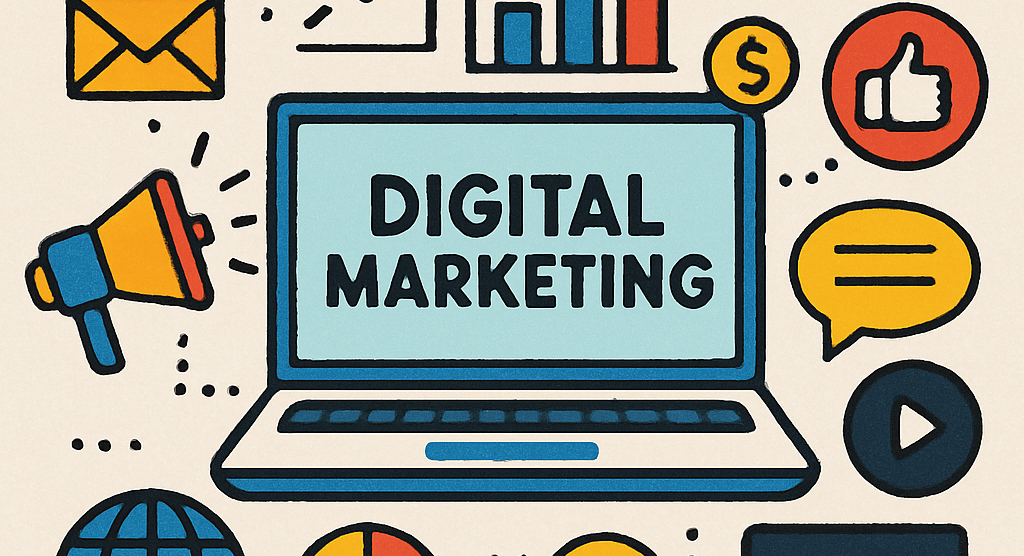
Digital marketing is a game-changer for small business owners. It levels the playing field against larger competitors.
With the right strategies, small businesses can reach a global audience. This is crucial in today’s digital age.
Social media marketing offers a cost-effective way to engage with potential customers. It helps build brand awareness and loyalty.
SEO, or Search Engine Optimization, is vital for increasing online visibility. It ensures your business gets found by the right people.
Content marketing establishes authority and builds trust with your audience. It tells your brand story in a compelling way.
Email marketing remains one of the highest ROI strategies. It nurtures and retains customers effectively.
Paid advertising, like PPC, drives immediate traffic to your website. It can boost sales quickly.
Understanding digital marketing is essential for small business growth. It offers measurable results and data-driven decisions.
Why Digital Marketing Matters for Small Businesses
Digital marketing is crucial for small businesses aiming for success. It’s not just a trend; it’s a necessity.
Traditional marketing methods can be costly. Digital marketing offers more affordable options with a broader reach.
It enables precise targeting, allowing businesses to reach their ideal customers. This reduces wasted marketing spend.
Digital platforms provide tools to personalize marketing efforts. Personalization increases customer engagement and satisfaction.
There’s also the benefit of measurable results. Businesses can track ROI and adjust strategies accordingly.
Key reasons why digital marketing matters:
- Levels the playing field with large competitors
- Provides cost-effective marketing solutions
- Offers precise targeting and personalization
- Allows for measurable results and data-driven strategies
- Increases customer engagement and brand loyalty

Digital marketing transforms how small businesses connect with customers. Embracing it opens new avenues for growth and innovation.
Setting Clear Digital Marketing Goals
Successful digital marketing begins with clear goals. These goals guide your strategy and measure success.
Start by identifying what you want to achieve. This could be increasing website traffic or boosting sales.
Define specific, measurable, achievable, relevant, and time-bound (SMART) goals. This approach ensures focus and clarity.
Consider these goals for your digital marketing efforts:
- Increase website visits by 25% in six months
- Grow email subscriber list by 15% this year
- Boost online sales by 30% over the next quarter
Clear goals help prioritize efforts and allocate resources efficiently. They provide a roadmap for your marketing journey. Consistently review and adjust them to align with business changes and growth.
Building a Strong Online Presence
Creating a strong online presence is crucial for reaching new customers. It enhances your brand’s credibility and visibility online.
Your first step should be to develop a user-friendly website. Ensure it loads quickly and adapts to mobile devices.
Think of your website as the hub of your online activities. Include clear navigation, attractive visuals, and engaging content.
Besides a website, establish profiles on relevant social media platforms. Consistent branding across these platforms is essential for recognition.
Consider incorporating the following elements:
- An informative “About Us” page
- Regular blog posts
- Active engagement on social media
- Customer testimonials and reviews

An active and engaging online presence captivates and retains customers. It also supports all other digital marketing efforts, strengthening your brand identity.
SEO for Small Businesses: Getting Found Online
SEO, or Search Engine Optimization, is vital for small businesses. It helps improve your website’s visibility in search results.
Start by optimizing your website’s content. Use relevant keywords that potential customers might search for online.
Ensure your website is fast and mobile-friendly. Google favors websites that provide a good user experience.
Pay attention to your on-page SEO. This includes:
- Properly using header tags
- Including meta descriptions
- Optimizing images with alt text
- Using internal and external links
Off-page SEO is also important. This involves building quality backlinks from other reputable websites.
Consider creating a Google Business Profile. It enhances your local search visibility, especially for mobile users.
 by Kelvin Zyteng (https://unsplash.com/@zyteng)
SEO is a long-term strategy, but it’s worth the effort. It increases your chances of being found by potential customers. Remember, consistent updates and improvements to your SEO will yield the best results.
Social Media Marketing: Connecting with Your Audience
Social media marketing is essential for engaging your customers. Platforms like Facebook, Instagram, and Twitter offer ways to reach a wider audience.
First, identify where your customers spend time online. Focus on one or two platforms at first to streamline your efforts.
Craft interesting and engaging content. Use eye-catching visuals and concise, compelling text to grab attention.
 by Walls.io (https://unsplash.com/@walls_io)
Regular posting helps keep your audience engaged. Create a content calendar to stay organized and consistent.
Engage with your audience by responding to comments and messages. This builds relationships and trust with your followers.
Consider these social media content ideas:
- Behind-the-scenes looks at your business
- Customer testimonials and reviews
- Promotions or sales notifications
Experiment with different types of content, like:
- Live videos or Q&A sessions
- Interactive polls or quizzes
- User-generated content showcasing your products
Paid advertising on social media can boost your reach. It allows for precise targeting based on demographics and interests.
Additionally, leverage analytics tools to understand what works well. This data can inform your future social media strategies.
Finally, remain open to feedback and be ready to adapt your strategies. Social media trends change quickly, and staying current ensures ongoing success.
Content Marketing: Telling Your Brand Story
Content marketing is all about sharing your brand’s unique story. It helps establish your business’s voice and connects with your audience.
Start by identifying what makes your brand special. Consider your business values, mission, and what sets you apart.
Develop a content strategy that aligns with these elements. Consistency in messaging strengthens your brand identity over time.
 by Ty Sugg (https://unsplash.com/@burtonts)
Content takes many forms. Here are some to consider:
- Blog posts about industry trends
- How-to guides or tutorials
- Video content showcasing product uses
Storytelling is crucial in content marketing. It engages customers by creating emotional connections and building trust.
Be sure to provide valuable and relevant information that addresses your audience’s needs. Quality content attracts and retains a loyal customer base.
Regular updates and fresh content keep your audience interested. Using different formats and topics ensures diversity in your content mix.
Email Marketing: Nurturing and Retaining Customers
Email marketing remains a vital tool for small businesses. It’s cost-effective and provides a direct line to your customers. With email, you can build lasting relationships.
Personalized emails drive engagement. Use data to tailor messages, making each customer feel valued. This approach increases open rates and conversions.
Consider the following when crafting your email strategy:
- Segment your email list for targeted campaigns
- Create engaging subject lines to grab attention
- Include clear calls to action for better results
Regular newsletters can keep customers informed. Share company news, promotions, and valuable insights. A consistent email schedule maintains interest and fosters loyalty.
Monitor the performance of your campaigns to optimize future efforts. Analyzing metrics like open and click-through rates helps refine your strategy and achieve better results.
Paid Advertising: PPC and Social Ads
Paid advertising offers immediate visibility for small businesses. It’s a great way to attract quick traffic. Cost-per-click (PPC) campaigns allow precise targeting, ensuring your ads reach the right people.
Social ads on platforms like Facebook and Instagram extend your reach. They enable demographic and interest-based targeting, maximizing the impact of your budget. This method helps in building brand awareness swiftly.
Consider these steps for effective paid advertising:
- Set a clear budget and bid strategically
- Use eye-catching images and concise ad copy
- Continually test and tweak ad performance
Measure the success of your campaigns with analytic tools. This data-driven approach ensures your advertising efforts align with your business objectives, boosting returns on investment.
Local SEO and Google Business Profile
Local SEO is crucial for attracting customers nearby. It helps small businesses appear in local search results. Optimizing local SEO enhances visibility, especially for location-specific searches.
Creating and maintaining a Google Business Profile is key. It provides essential information like address, hours, and contact details. A complete profile improves trust and attracts more local customers.
To optimize your local presence, consider the following:
- Ensure consistent NAP (Name, Address, Phone number) across all platforms
- Collect and respond to customer reviews promptly
- Use local keywords in your website content
 by Rajeshwar Bachu (https://unsplash.com/@rajeshwerbatchu7)
Regular updates to your profile ensure accuracy. This boosts your ranking in local search results, driving foot traffic and inquiries.
Leveraging Reviews, Testimonials, and User-Generated Content
Customer reviews shape your brand’s reputation. Positive feedback builds trust and attracts new customers. Encourage satisfied clients to leave reviews.
Testimonials offer credibility and validate your business. Display them prominently on your website and social media. Highlighting real experiences fosters customer confidence.
User-generated content enhances authenticity. It includes photos, videos, and stories shared by your customers. Consider these strategies:
- Incentivize reviews with discounts or perks
- Share user-generated content on social platforms
- Create a dedicated testimonials page on your website
Amplifying authentic voices can significantly impact your marketing efforts. Engage with your audience to cultivate loyalty and trust.
Influencer and Collaboration Marketing
Influencers can introduce your brand to a wider audience. They have trust and followers who value their recommendations. Collaborating with them is a strategic move.
Partnerships with other small businesses can extend your reach. Sharing resources and audiences can be mutually beneficial. Consider these tactics:
- Identify influencers aligned with your brand
- Explore co-hosted events or joint offers
- Develop cross-promotional campaigns on social media
These collaborations can lead to increased visibility and growth. Working with trusted figures builds credibility and can enhance your marketing efforts.
Video Marketing and YouTube for Small Businesses
Video content is engaging and captures attention quickly. Many consumers prefer video over reading text. Utilizing platforms like YouTube can boost your brand’s visibility.
Small businesses can create videos to showcase products or share customer testimonials. Additionally, instructional videos can help position your business as an industry expert.
Here’s how to get started:
- Create videos that align with your brand message
- Use storytelling to connect with viewers
- Optimize video titles and descriptions with keywords
Engage with your audience through comments. This interaction builds community and loyalty.
 by Kelly Sikkema (https://unsplash.com/@kellysikkema)
Digital Marketing Tools and Automation
Efficient tools can streamline your digital efforts. Automation saves time and enhances consistency. These technologies allow small businesses to compete better with limited resources.
Popular options include:
- Email marketing platforms like Mailchimp
- Social media schedulers such as Buffer
- Analytics tools like Google Analytics
These tools provide insightful data and automate routine tasks. This enables business owners to focus on strategy and creativity.
 by ichwar – (https://unsplash.com/@ilmuktigraphic)
Measuring Success: Analytics and Optimization
Evaluating your digital marketing success is vital for growth. Analytics tools offer insights into customer behavior and campaign effectiveness. They help identify what works and what doesn’t.
Key metrics to monitor include:
- Website traffic
- Conversion rates
- Social media engagement
Optimization requires adjusting strategies based on data. Regular tweaks can significantly enhance performance. Always strive for continuous improvement through informed decisions.
Common Mistakes and How to Avoid Them
Many small businesses make similar errors in digital marketing. These can hinder growth and effectiveness. Being aware of these pitfalls helps in creating a robust strategy.
Avoid these common mistakes:
- Neglecting mobile optimization
- Ignoring customer feedback
- Lacking clear goals
To steer clear of these issues, focus on responsive design and listen to your audience. Set clear, measurable goals from the start. These steps ensure a more effective digital marketing approach.
Staying Ahead: Trends and Continuous Learning
The digital marketing landscape changes swiftly. Staying informed of the latest trends is essential for success. Continuous learning helps small business owners stay competitive.
Here are some ways to stay updated:
- Follow industry blogs and podcasts
- Attend webinars and workshops
- Join professional networks
Embrace new technologies and strategies to keep your marketing fresh. Regularly update your skills to adapt to these shifts. This proactive approach ensures your marketing efforts remain relevant and effective.
Conclusion: Taking Action with Digital Marketing for Small Businesses
Digital marketing offers incredible opportunities for growth. Small business owners can compete with big companies by leveraging the right strategies. It’s about smart planning and execution.
Start with clear goals and build a strong online presence. Use data analytics to refine your approach and ensure success. Each step enhances your visibility and customer connection.
Adopting digital marketing is a continuous journey. Keep learning and adapting to stay ahead. This commitment will lead to sustainable business growth.